

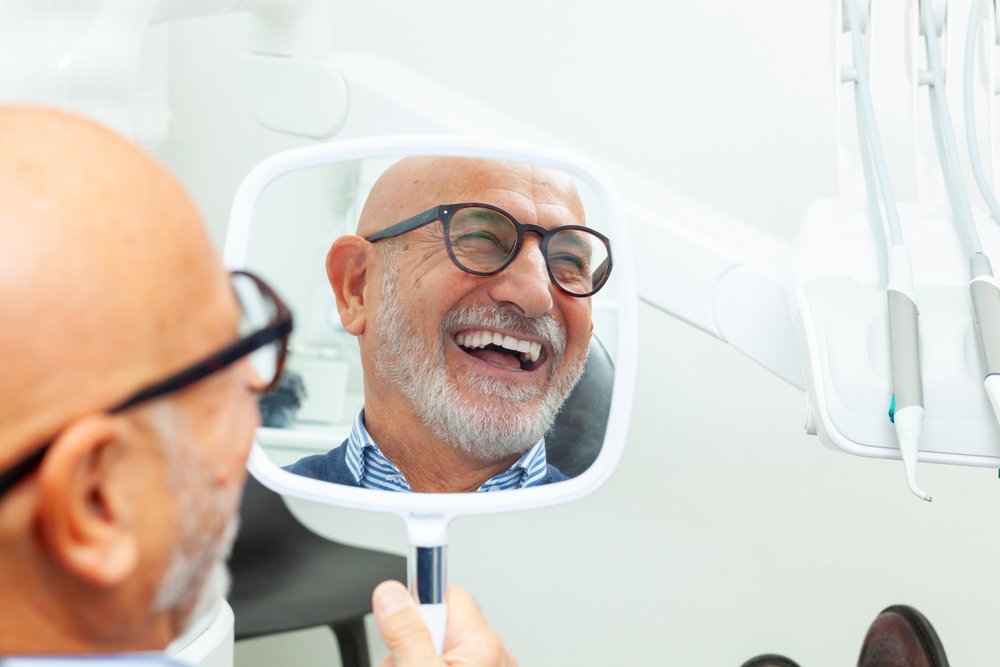
Dental implant maintenance is crucial for ensuring the longevity and functionality of your investment in a healthier smile. Unlike natural teeth, dental implants require a specialized approach to cleaning and care that differs from traditional oral hygiene routines. Whether you have recently undergone implant surgery in Manhattan or are planning to get dental implants in the near future, understanding how to properly care for your new teeth is essential for preventing complications and maintaining excellent oral health for years to come.
Dental implants are a remarkable advancement in restorative dentistry, offering a permanent solution for missing teeth. However, these sophisticated prosthetic devices demand consistent attention and proper hygiene practices to ensure they remain healthy and functional. This comprehensive guide will walk you through five essential tips for keeping your dental implants clean and maintaining optimal implant hygiene tips to help you preserve your investment.
The Importance of Implant Hygiene
Before diving into specific cleaning techniques, it is important to understand why implant hygiene tips matter so much. Your dental implants consist of three main components: the titanium post that is surgically placed into your jawbone, the abutment that connects the post to the crown, and the crown itself that serves as your replacement tooth. While the titanium implant is resistant to decay, the soft tissues surrounding your implant are just as susceptible to infection and inflammation as the tissues around your natural teeth.
Implant maintenance requires vigilance because peri-implantitis, an inflammation of the tissues around your implant, can develop if proper cleaning is not maintained. This condition can lead to bone loss around the implant and, if left untreated, may result in implant failure. By following a dedicated dental implant maintenance routine, you significantly reduce the risk of these complications and ensure that your implant functions properly for decades to come.
Tip 1: Use the Right Brushing Techniques and Tools
The foundation of effective clean dental implants starts with proper brushing. You should brush your dental implants at least twice daily, just as you would with natural teeth. However, the tools you use are critically important. Choose a soft-bristled toothbrush or an electric toothbrush with a gentle setting to avoid damaging the crown or irritating the surrounding gum tissue.
When brushing, use gentle circular motions and pay special attention to the area where the implant meets the gum line. This is where bacteria and plaque accumulate most readily and where infection is most likely to begin. Avoid aggressive scrubbing or using hard-bristled brushes, as these can cause gum recession and damage to the implant crown. If you have multiple implants, make sure to clean each one thoroughly, including the areas between implants and adjacent teeth.
For those living in Manhattan or other urban areas, consider consulting with your implant specialist about the best brushing technique specifically suited to your implant configuration. Some patients benefit from electric toothbrushes designed specifically for implant care, as these devices provide consistent, gentle cleaning that manual brushing sometimes cannot achieve.
Tip 2: Incorporate Daily Flossing Into Your Routine
Flossing is absolutely essential for clean dental implants and represents a critical component of your dental implant maintenance schedule. While many people struggle with flossing their natural teeth, flossing around implants is non-negotiable for preventing food debris and bacteria buildup in the spaces between your implants and adjacent teeth.
Traditional floss works well around implants, but you may find specialized implant floss or dental tape more effective. Water flossers are another excellent option for implant hygiene tips, as they can effectively remove debris from areas that traditional floss cannot easily reach. Some patients prefer using oral irrigators, which use pulsating water streams to clean around implants thoroughly.
You should floss at least once daily, preferably in the evening before bed. When flossing around your implant, gently work the floss between the implant and adjacent teeth, then carefully slide it along the implant abutment below the gum line. Be gentle but thorough; your goal is to remove all food particles and plaque while avoiding damage to the gum tissue surrounding your implant. Proper flossing prevents the development of inflammation and infection that could compromise your implant’s longevity.
Tip 3: Use Antimicrobial Mouth Rinse
Incorporating an antimicrobial mouth rinse into your daily oral hygiene routine is an excellent way to enhance your overall implant maintenance efforts. After brushing and flossing, rinse with an antimicrobial or antiseptic mouthwash designed to kill bacteria and reduce plaque formation. This additional layer of protection helps eliminate bacteria that your toothbrush and floss might have missed.
When selecting a mouthwash, avoid products containing alcohol, as these can irritate the delicate tissues around your implant and may cause discomfort. Instead, choose alcohol-free antimicrobial rinses that are specifically formulated for sensitive gums or implant care. Your dentist in Manhattan or your local dental professional can recommend specific products that work best with your particular implant type and overall oral health situation.
Using antimicrobial rinse twice daily, particularly after meals, enhances your dental implant maintenance routine significantly. This simple step takes only minutes but provides substantial benefits in terms of reducing bacterial growth and maintaining a healthy environment around your implant. The reduced bacterial load means less inflammation, less risk of infection, and ultimately a longer lifespan for your dental implant.
Tip 4: Maintain Regular Professional Dental Visits
Perhaps the most critical aspect of your dental implant maintenance routine is scheduling regular appointments with your dentist or implant specialist. You should visit your dental professional at least twice yearly, though many implant specialists recommend quarterly visits during the first year after implant placement. These professional cleanings remove tartar and plaque buildup that home care alone cannot eliminate.
During these appointments, your dental professional will examine your implant thoroughly, checking for any signs of peri-implantitis, bone loss, or other complications. They will use specialized instruments to carefully clean around your implant without damaging the crown or surrounding tissues. Professional dental visits are especially important for patients in Manhattan and other densely populated areas where access to quality dental care is readily available.
Your dentist will also assess your cleaning technique and provide personalized implant hygiene tips tailored to your specific situation. If you are struggling with certain areas of your implant care routine, your dental professional can demonstrate better techniques or recommend alternative cleaning tools. Professional supervision ensures that you are taking all necessary steps to protect your investment and maintain optimal oral health long term.
Tip 5: Avoid Harmful Habits and Lifestyle Choices
Protecting your dental implants extends beyond just cleaning and professional care; it also involves avoiding habits and behaviors that can damage or compromise your implants. Smoking is particularly harmful for implant health, as it significantly increases the risk of implant failure by compromising blood flow and reducing your body’s ability to heal. If you smoke, quitting is one of the most important things you can do for your implants.
Additionally, avoid chewing on hard objects such as ice, hard candy, or pen caps, as these can crack or damage your implant crown. Grinding your teeth, a condition called bruxism, can also place excessive stress on your implants. If you grind your teeth, speak with your dentist about obtaining a night guard to protect your implants while you sleep. Limit your consumption of staining substances like red wine and coffee, and avoid extremely hot foods and beverages immediately after implant placement.
Clean dental implants are best achieved when you combine excellent home care with professional guidance and healthy lifestyle choices. By avoiding harmful habits, you protect your implant investment and reduce the likelihood of complications that could compromise your oral health.
Conclusion
Maintaining clean dental implants requires a comprehensive approach that combines proper brushing, daily flossing, antimicrobial rinses, professional care, and healthy lifestyle choices. By implementing these five essential tips into your daily routine, you ensure that your dental implants remain healthy, functional, and beautiful for many years to come. Your commitment to implant hygiene tips and dental implant maintenance will pay dividends in terms of longevity, comfort, and overall oral health.
Need Comprehensive Dental Care Near You?
At Paul L. Gregory, DDS, our team is proud to offer top quality teeth cleaning in Manhattan, affordable dental cleaning options, and advanced treatments like porcelain veneers, porcelain crowns, and full mouth implants, all delivered with comfort and long lasting results in mind. Whether you are maintaining your oral health or exploring cosmetic and restorative solutions, our comprehensive dental care in New York is designed around your needs. Contact us today to schedule your appointment and take the next confident step toward a healthier, brighter smile with our trusted dentist in New York.