

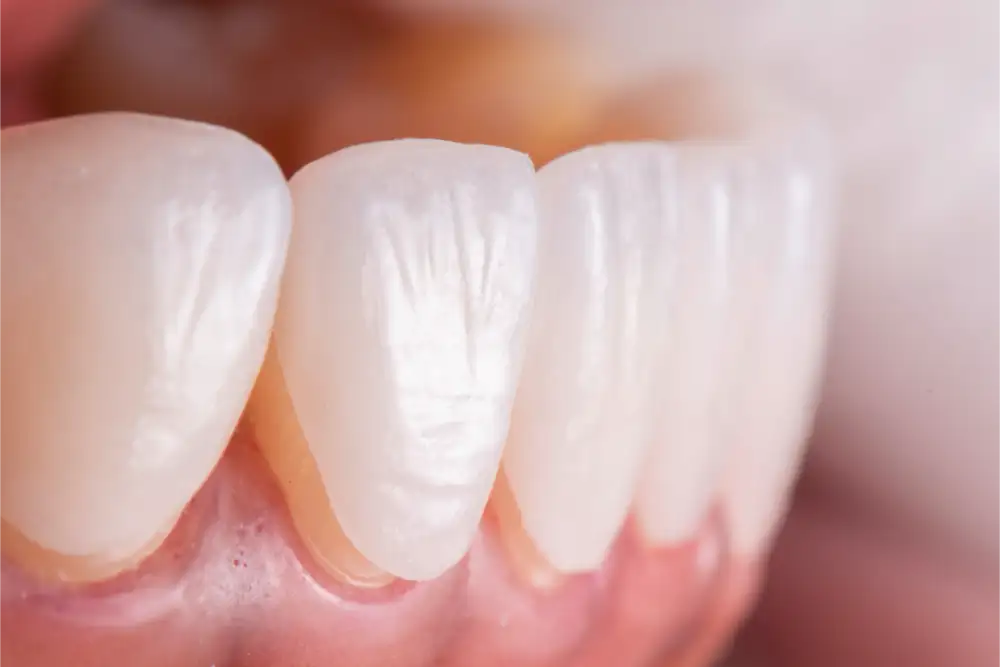
In Manhattan, your smile can be part of countless face-to-face moments, from a morning coffee near Central Park to meetings in Midtown or dinner downtown. If chips, discoloration, gaps, or uneven teeth make you self-conscious, you may have wondered whether veneers can really make the difference you see in before-and-after photos.
The short answer is yes, veneers can significantly change the appearance of a smile, but they cannot fix every dental problem. Veneers are thin, custom-made coverings placed over the front surfaces of teeth. They can conceal certain cosmetic concerns, including chips, stains, small gaps, and irregular shapes. They do not treat active tooth decay, gum disease, or every type of bite or alignment problem.
What Manhattan patients should know
-
Veneers can change the visible color, shape, size, and apparent alignment of selected teeth.
-
Veneers may be considered for stains that do not respond sufficiently to whitening.
-
Manhattan patients with active decay or gum disease generally need those conditions addressed before cosmetic veneer treatment.
-
Veneers can sometimes make minor gaps or crookedness less noticeable, but they do not physically move teeth the way orthodontic treatment does.
-
Traditional veneer treatment typically involves removing some natural enamel, so patients should understand the long-term commitment before proceeding.
Myth: Veneers Can Fix Absolutely Anything About Your Smile
Fact: Veneers can correct the appearance of several cosmetic concerns, but they are not a universal solution for every dental problem. They are primarily cosmetic restorations, so the right treatment depends on what is causing the concern and the health of the teeth and gums underneath.
For someone living or working in Manhattan, veneers may be worth discussing when the main concern involves visible front teeth that are chipped, permanently discolored, unusually shaped, undersized, or separated by certain spaces.
Paul L. Gregory, DDS works with patients seeking dental care in Manhattan. When we evaluate a smile for cosmetic treatment, the goal is to determine what treatment makes sense for the individual teeth rather than assuming veneers are automatically the answer.
Myth: Veneers Straighten Crooked Teeth
Fact: Veneers can make some mildly uneven teeth appear straighter, but they do not actually move teeth or correct the underlying position of the teeth and jaws. Orthodontic treatment moves teeth, while veneers alter the visible surfaces and proportions of selected teeth.
That distinction matters whether you live on the Upper East Side, Upper West Side, or farther downtown. Mild irregularities may sometimes be addressed cosmetically, while significant crowding, rotation, overbite, underbite, or other alignment concerns may call for an orthodontic evaluation.
The best approach begins by identifying whether your concern is primarily cosmetic, structural, or orthodontic.
Myth: Veneers Are Only for Severely Damaged Teeth
Fact: Veneers are commonly used for cosmetic imperfections rather than severely damaged teeth. They may conceal chips, stains, small spaces, or misshapen teeth, while teeth with substantial decay or structural damage may require a different restorative approach, such as a crown.
This is why a dental examination matters before choosing a treatment based solely on appearance. Two Manhattan patients can dislike similar-looking teeth while needing very different solutions.
Myth: Veneers Can Cover Up Cavities or Gum Problems
Fact: Active decay and gum disease should be addressed before veneers are placed because veneers do not cure either condition. The American Dental Association advises that dental problems such as decay or gum disease should be treated before veneer treatment.
Warning signs that deserve evaluation include:
-
Tooth pain or persistent sensitivity
-
Bleeding or swollen gums
-
A visible cavity or damaged tooth
-
Loose teeth
-
Persistent bad breath or an unpleasant taste
-
Significant tooth grinding or clenching
-
A bite that feels uncomfortable or unstable
A cosmetic improvement should be planned on a healthy foundation. Covering the visible surface of a tooth does not eliminate disease underneath or around it.
Myth: Getting Veneers Means Every Tooth Has to Be Treated
Fact: Veneer treatment does not automatically mean covering every visible tooth, because the appropriate number depends on your smile, existing teeth, and cosmetic goals. A personalized evaluation determines which teeth, if any, would benefit from veneers and how they would relate to the surrounding natural teeth.
For patients traveling to appointments from SoHo, Tribeca, Chelsea, Greenwich Village, or other Manhattan neighborhoods, this individualized planning can also clarify the anticipated treatment process before committing to cosmetic work.
The objective is not simply to place as many veneers as possible. It is to determine which treatment approach addresses the actual concern.
Myth: Veneers Require No Maintenance
Fact: Veneers still require consistent oral hygiene and professional dental care because the natural teeth and gums surrounding them remain vulnerable to dental disease. Brushing, cleaning between the teeth, and routine dental visits remain important after veneers are placed.
Patients should also avoid using veneered teeth to bite fingernails or hard objects. People who clench or grind should tell their dentist, since bruxism places additional forces on teeth and restorations and can affect whether veneers are appropriate.
A veneer can improve the visible surface of a tooth, but it does not make the underlying tooth maintenance-free.
Myth: Veneers Are Completely Reversible
Fact: Traditional veneer treatment generally should be considered irreversible because some enamel is removed to prepare the tooth. The amount of preparation can vary with the veneer type and individual case, but patients should understand this commitment before treatment begins.
This is one of the most important facts to discuss during a cosmetic consultation. Manhattan patients comparing veneers with whitening, bonding, or orthodontic treatment should consider not only the immediate appearance but also how much natural tooth structure each option requires.
What Are the Alternatives to Veneers in Manhattan?
Alternatives to veneers can include whitening, dental bonding, orthodontic treatment, or restorative dentistry, depending on the problem you want to address. Veneers are one tool within cosmetic dentistry rather than the automatic solution for every patient.
For example, discoloration may sometimes be addressed with whitening. A small chip or shape concern may be suitable for bonding. Tooth-position concerns may point toward orthodontics. A substantially damaged tooth may require restorative treatment instead.
During an evaluation, we can consider the condition of your teeth, your bite, your cosmetic goals, and the advantages and limitations of the available approaches.
How Do Veneers Compare With Other Cosmetic Options?
Veneers differ from bonding, whitening, and orthodontic treatment because each approach changes a different aspect of the smile. Comparing treatments based on the underlying concern can help Manhattan patients understand why a dental examination comes before selecting a procedure.
Whitening changes tooth shade but does not reshape teeth. Bonding can alter shape and conceal certain imperfections using tooth-colored composite material. Orthodontics moves teeth. Veneers cover the front surfaces of teeth to alter their visible appearance.
Sometimes one treatment is appropriate. In other situations, different concerns may require a broader treatment plan.
What Is a Common Manhattan Veneer Scenario?
A common veneer scenario involves an otherwise healthy smile with cosmetic concerns affecting visible front teeth. For example, an adult might have a combination of stubborn discoloration, a small chip, and teeth with uneven proportions and want to understand whether veneers could create a more uniform appearance.
This is a general scenario, not a patient case study. The appropriate treatment would depend on an examination of the teeth, gums, bite, and existing dental work.
That assessment is especially important because what looks like a purely cosmetic concern in the mirror may have an underlying dental or orthodontic component.
What Can You Realistically Expect From Veneers?
Veneers can create noticeable cosmetic changes, but realistic results depend on your starting point, oral health, treatment plan, and the teeth being treated. They can alter visible tooth color, proportions, shape, and the appearance of certain spaces or mild irregularities without changing every underlying dental condition.
Veneers can also chip, loosen, wear, or eventually require repair or replacement. The ADA specifically advises patients to understand these possibilities before treatment.
For Manhattan patients considering a significant smile change, discussing both the possibilities and limitations is an important part of making an informed decision.
What Are Common Mistakes When Considering Veneers?
Common veneer mistakes usually involve choosing treatment based on appearance alone without first considering oral health, bite, alternatives, and long-term maintenance. A careful evaluation can help prevent expectations that veneers were never designed to meet.
One mistake is assuming every crooked tooth needs a veneer. The consequence is overlooking orthodontic options. A better approach is determining whether the concern is cosmetic or positional.
Another mistake is ignoring grinding or clenching. Excessive forces can damage teeth and restorations. A better approach is discussing signs of bruxism before cosmetic treatment.
A third mistake is assuming veneers eliminate the need for dental care. Natural tooth structure remains underneath and around the restoration, so daily hygiene and regular dental care still matter.
Do You Need a Veneer Consultation in Manhattan?
A professional consultation is appropriate when you want to change your smile but are unsure whether veneers, bonding, whitening, orthodontics, or restorative treatment best fits the problem. An examination helps determine whether your teeth and gums are healthy enough for cosmetic treatment and whether veneers can realistically achieve your goals.
We can discuss the appearance you want to change, examine the underlying dental conditions, and explain relevant treatment options.
FAQ About Veneers in Manhattan
Can veneers fix gaps between teeth?
Yes, veneers can conceal certain spaces between teeth by changing the visible width and shape of the teeth. They do not physically move the teeth, however. Larger spaces or gaps associated with alignment concerns may require another approach, so a Manhattan dental evaluation can help identify suitable options.
Can veneers fix stained teeth in Manhattan?
Veneers can conceal some discoloration, including stains that have not responded adequately to whitening. Whether veneers make sense depends on the cause and extent of discoloration, the condition of the tooth, and your goals. Whitening or another cosmetic option may be considered before choosing a veneer.
Can I get veneers if I have gum disease?
Veneers generally should not be placed over an untreated oral health problem such as active gum disease. The ADA recommends treating dental problems such as decay and gum disease first. Manhattan patients noticing bleeding, swelling, or other gum changes should have those concerns evaluated before pursuing elective cosmetic treatment.
Can Manhattan patients get veneers for crooked teeth?
Veneers may disguise mild cosmetic irregularities, but they do not straighten teeth in the orthodontic sense. If teeth are significantly crowded, rotated, or associated with a bite problem, orthodontic treatment may be considered. The appropriate choice depends on tooth position, oral health, bite, and cosmetic goals.
Do veneers require shaving down your teeth?
Traditional porcelain veneers typically require removal of some enamel from the front and sides of the tooth. Preparation varies by case and veneer type, but patients should not assume treatment is reversible or preparation-free. Understanding how much tooth structure would be altered should be part of your consultation.
Can veneers get cavities underneath them?
The natural tooth around or beneath a veneer can still develop decay, which is why oral hygiene remains essential. Veneers do not make teeth immune to cavities. Manhattan patients with veneers should continue brushing with fluoride toothpaste, cleaning between their teeth, and following an appropriate professional dental-care schedule.
Are veneers a good choice if I grind my teeth?
Teeth grinding can affect whether veneers are appropriate because repeated clenching and grinding place additional force on teeth and restorations. The ADA notes that veneers may not be a good choice for some people who grind or clench. Tell your dentist about grinding before beginning cosmetic treatment.
Are veneers the same as crowns?
No, veneers and crowns cover different amounts of tooth structure and can serve different purposes. A veneer primarily covers the front surface to improve appearance, while a crown covers the entire tooth and can provide restoration for significantly damaged teeth. Your dental condition determines which approach may be appropriate.
Explore What Veneers Could Change About Your Manhattan Smile
Veneers can transform several visible aspects of a smile, but good cosmetic dentistry starts with determining whether they are the right solution for your particular teeth. Understanding what veneers can and cannot do helps you approach treatment with realistic expectations.
At Paul L. Gregory, DDS, we can evaluate your concerns and discuss options for creating the smile you want while considering the health of your teeth and gums.