

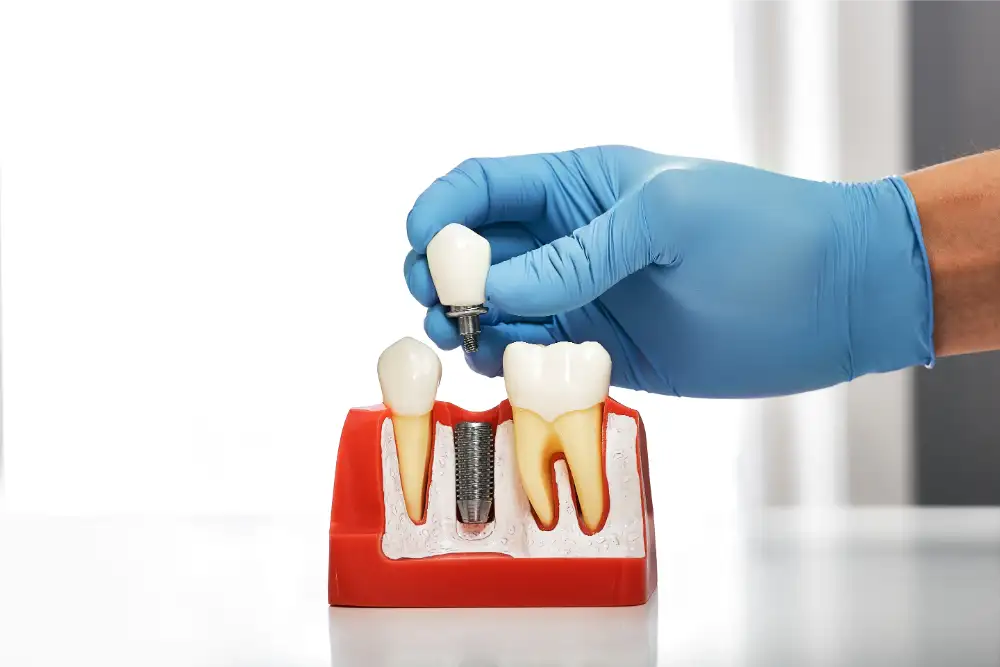
Making the decision to get dental implants is a significant step toward restoring your smile and improving your oral health. Before you commit to this procedure, it’s essential to have a thorough conversation with your dentist about pre-implant questions and what to expect throughout the process. A dental implant consultation should cover all aspects of the procedure, from initial assessment to aftercare. Whether you’re in NYC seeking implant dentistry or anywhere else, asking the right questions will help you feel confident and prepared for your treatment.
The Implant Procedure and Timeline
One of the most important pre-implant questions you should ask your dentist is about the overall timeline and what the procedure actually involves. Dental implants are not a one-visit solution, and understanding the process is crucial for setting realistic expectations. Ask your dentist to explain each stage of the procedure, including the initial consultation, bone grafting if necessary, implant placement, and the final restoration phase. Most patients should expect the entire process to take anywhere from three to nine months, depending on bone quality and individual healing rates.
During your dental implant consultation, request a detailed explanation of what happens during each appointment. Your dentist should walk you through how the implant will be surgically placed into your jawbone and how long the osseointegration process typically takes. This is the period when your bone fuses with the implant, and it’s absolutely critical for the long-term success of your restoration. Understanding this timeline helps you plan accordingly and eliminates any surprises down the road.
Assessing Your Bone Health and Structural Requirements
Your bone health is fundamental to implant success, making this a critical topic for your dental implant consultation. Ask your dentist about your current bone density and whether you have sufficient bone structure to support an implant. Many patients who have been missing teeth for years may experience bone resorption, which is the gradual loss of bone in the jaw. If your bone has deteriorated significantly, your dentist may recommend bone grafting before implant placement can proceed.
During your pre-implant questions discussion, ask whether imaging studies like CT scans or 3D X-rays will be necessary to evaluate your bone structure. These advanced imaging techniques allow your dentist to assess bone height, width, and density with precision. Ask about the cost of these imaging procedures and whether they’re included in your overall treatment plan. If bone grafting is recommended, ask about the different types available, how long they take to integrate, and what additional costs might be involved.
Discussing Costs and Financial Options
The financial aspect of implant dentistry is often a major concern for patients, and you shouldn’t hesitate to ask detailed questions about pricing during your dental implant consultation. Dental implants represent a significant investment, and costs can vary widely depending on several factors including the number of implants needed, whether bone grafting is necessary, and your location. Patients in NYC seeking implant dentistry should be aware that urban markets typically have higher costs than rural areas.
Ask your dentist for a comprehensive treatment plan that itemizes all costs associated with the procedure. This should include the implant itself, the abutment, the crown or restoration, any bone grafting procedures, and post-operative care. Find out whether your dental insurance covers any portion of the implant procedure, as many plans do not. Ask about payment plans or financing options that your dental office offers. Some practices work with third-party financing companies that offer flexible payment terms. Understanding the complete financial picture before you begin treatment ensures you won’t face unexpected bills later.
Learning About Success Rates and Potential Complications
Before proceeding with implant dentistry, you deserve to know the realistic success rates and potential risks involved. Ask your dentist about their specific success rates with implant procedures, which typically range from 95 to 98 percent in most cases. However, success rates can vary depending on factors like your age, overall health, smoking status, and bone quality. Your dentist should be transparent about their experience level and track record with implant procedures.
It’s equally important to discuss potential complications during your dental implant consultation. Ask about the risks of infection, nerve damage, sinus problems, and implant failure. While serious complications are rare, they can occur, and you should understand how your dentist would handle such situations if they arise. Ask whether your dentist has malpractice insurance and what your recourse options would be if something goes wrong. Understanding both the high success rate and the potential risks allows you to make an informed decision that aligns with your comfort level and expectations.
Evaluating Aftercare and Maintenance Requirements
The success of your dental implants doesn’t end after the final crown is placed. Your pre-implant questions should extend to understanding the long-term maintenance and aftercare requirements. Ask your dentist about proper oral hygiene techniques for implants, as they require different care than natural teeth. While implants themselves cannot develop cavities, the surrounding bone and gum tissue can become diseased if not properly maintained.
During your dental implant consultation, ask about the frequency of follow-up appointments and professional cleanings you’ll need. Most patients should schedule check-ups every six months to monitor the health of their implants. Ask what warning signs you should watch for that might indicate a problem with your implant. Your dentist should explain how long dental implants typically last with proper care, which is usually fifteen to twenty years or longer for the implant itself, though the crown may need replacement eventually.
Ask about any activity restrictions after the procedure and how long before you can return to normal eating habits. Understanding these aftercare requirements upfront helps you prepare mentally and physically for what lies ahead. Your dentist should also discuss whether you need to modify any daily habits, such as excessive alcohol consumption or smoking, which can negatively impact implant success.
Conclusion
Asking thorough pre-implant questions during your dental implant consultation is essential for achieving the best possible outcome. Whether you’re seeking implant dentistry in NYC or elsewhere, having honest conversations with your dentist about the procedure, costs, risks, and maintenance will ensure you’re making an informed decision about your oral health. Take the time to get all your questions answered before committing to treatment, and choose a dentist who is willing to address your concerns comprehensively.
Need Comprehensive Dental Care Near You?
At Paul L. Gregory, DDS, our team is proud to offer top quality teeth cleaning in Manhattan, affordable dental cleaning options, and advanced treatments like porcelain veneers, porcelain crowns, and full mouth implants, all delivered with comfort and long lasting results in mind. Whether you are maintaining your oral health or exploring cosmetic and restorative solutions, our comprehensive dental care in New York is designed around your needs. Contact us today to schedule your appointment and take the next confident step toward a healthier, brighter smile with our trusted dentist in New York.